Guide · 7 min read
Lure selection by target fish
GT, tuna, marlin and sailfish, Spanish mackerel, barramundi and snapper: which lures work for each, how to fish them, and what we stock for the job.
The right lure is the one that looks like what your target is already eating, at the depth and speed it hunts. Here is how we match lures to the fish Indonesian anglers ask us about most.
Giant trevally (GT, kuwe)
Where: reef edges, drop-offs and current lines around islands. What works: poppers to call fish up from depth, and stickbaits for calmer water or fish that follow without eating. When trolling past reef edges, a heavy trolling lure like the Halco Giant Trembler covers ground. Tip: upgrade hooks and split rings before the trip. See our guide to choosing a GT popper.
Tuna (yellowfin, skipjack)
Where: offshore, under birds, around FADs (rumpon) and where bait is pushed to the surface. What works:
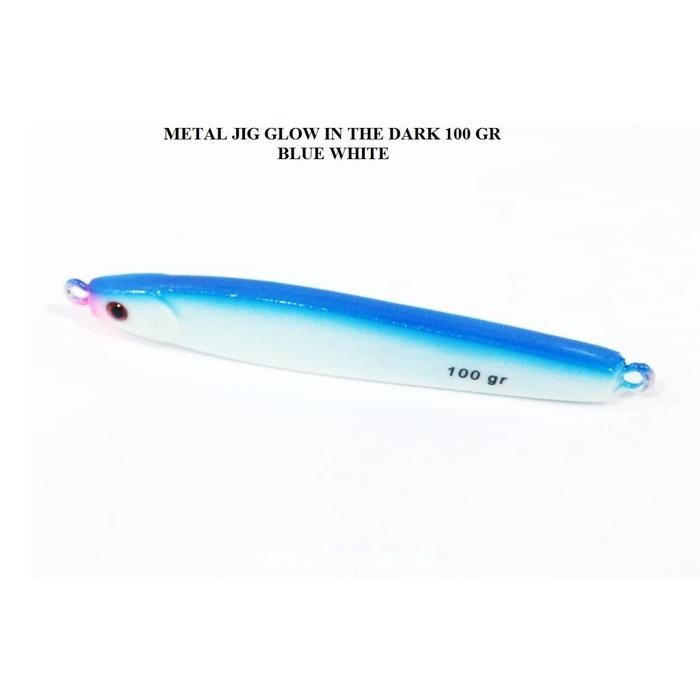
- When fish are busting on top: stickbaits and metal jigs cast into the school and retrieved fast.
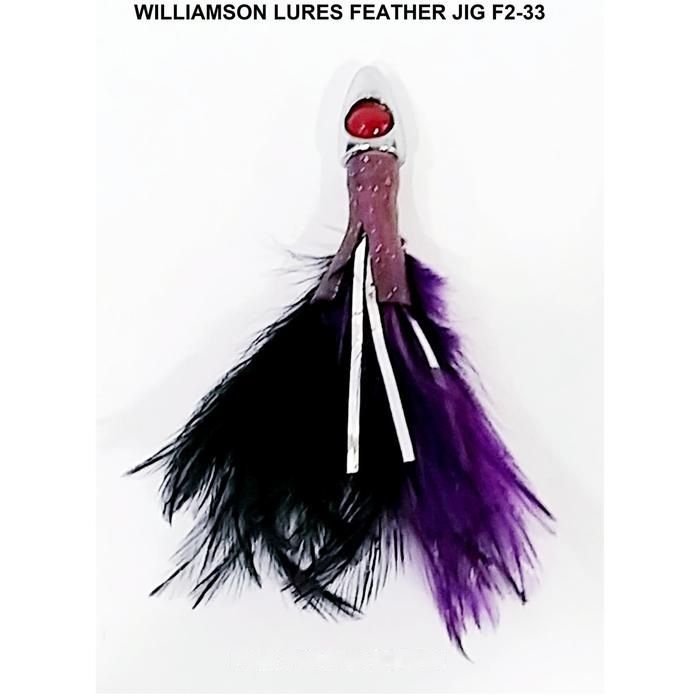
- Trolling: feather jigs such as the Williamson range, and diving minnows. Feathers are simple, cheap and catch tuna worldwide.
- Vertical jigging: metal jigs worked through the depth where your sounder shows fish.
Tip: tuna can be line-shy in clear water; a fluorocarbon leader helps.
Marlin and sailfish (layaran)
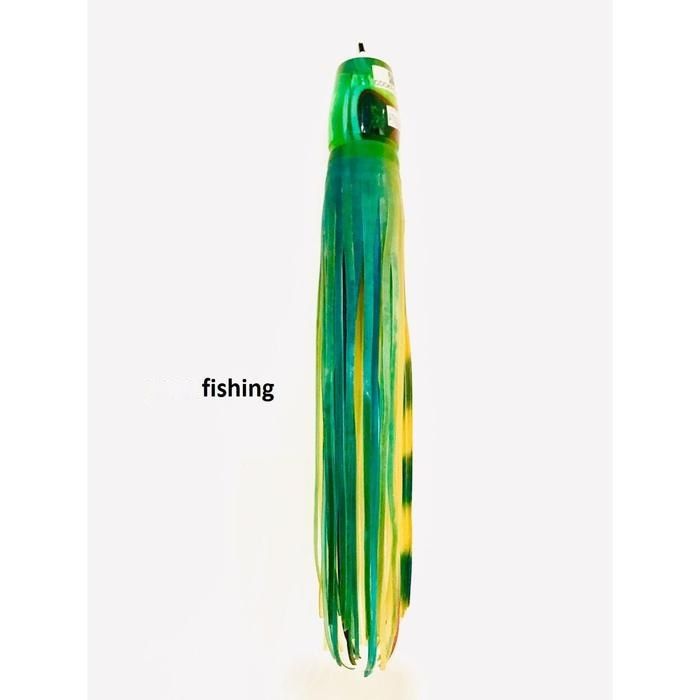
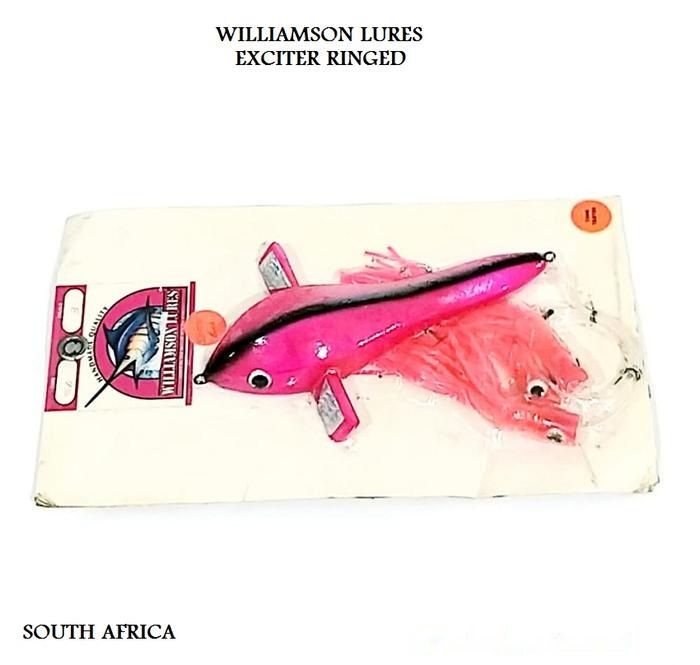
Where: blue water offshore. What works: skirted trolling lures run in a spread. Pakula’s own notes put the Mouse in short corner and short rigger positions and the Sprocket in long corner, long rigger and shotgun positions. Teasers like the Williamson Softie Bird run ahead of the spread raise fish to the lures. Tip: rig to IGFA specifications if you might claim a record, and use a proper harness or gimbal belt with heavy tackle.
Spanish mackerel (tenggiri) and wahoo
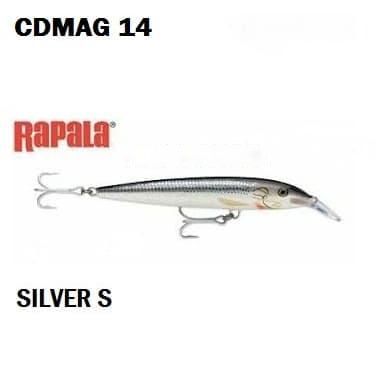
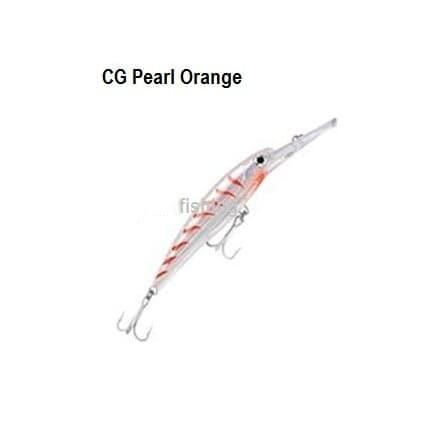
Where: reef edges and along the current, often at the same spots as GT. What works: diving minnows trolled at speed. Rapala CountDown Magnums are built for mackerel, tuna and wahoo with rust-resistant hardware; X-Rap Magnums run deep and can be trolled up to 13 knots. Halco Tremblers troll up to 8 knots and rattle loudly. Tip: razor teeth. Use a heavier leader or a short wire trace, and check it after every fish.
Barramundi (kakap putih)
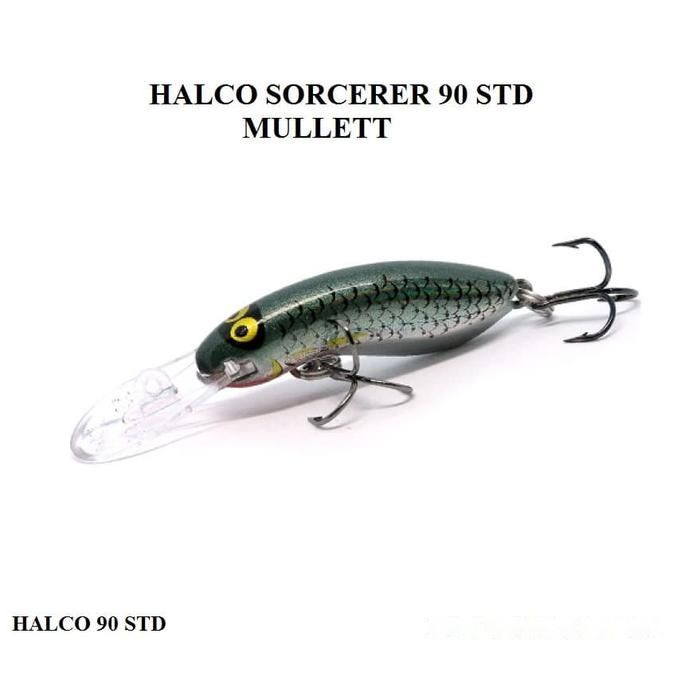
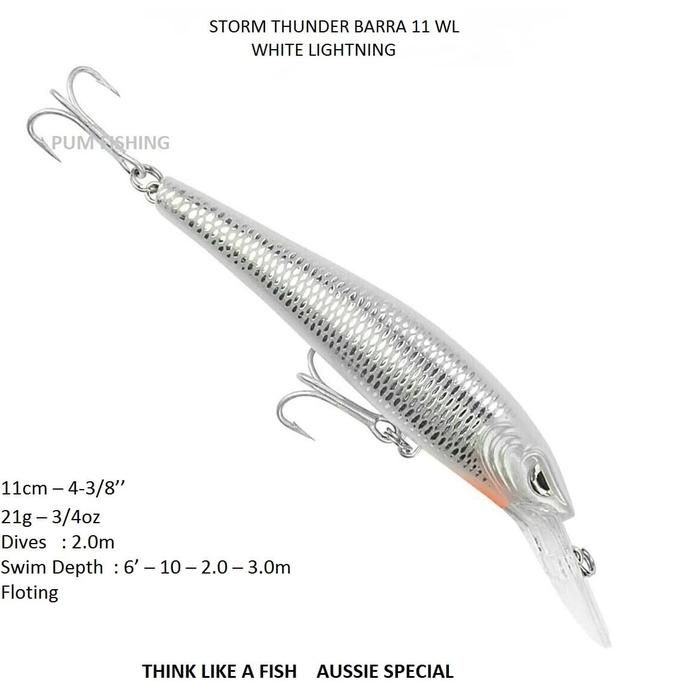
Where: estuaries, river mouths, snags and rock bars, especially on the tide change. What works: suspending and floating divers that swim tight to structure. The Halco Sorcerer, Storm Thunder Barra and Rapala X-Rap are proven barra lures; lipless vibes work when the fish are deeper. Tip: cast tight to the snag and pause. Barra often hit a lure that hangs still for a moment.
Snapper (kakap merah), grouper (kerapu) and other bottom fish
Where: reefs, rubble and wrecks. What works: metal jigs and slow-pitch jigs worked near the bottom, plus vibration lures and crankbaits in shallower water and estuaries. Tip: these fish run straight for cover. Use a tough fluorocarbon leader and keep their heads up from the first second.
Live bait: start with a sabiki
Many trips begin by catching bait. A sabiki rig (kotrekan) like our Surecatch rigs takes small baitfish such as sardines and small tuna before the main fishing starts.
Not sure what to bring for a trip? Tell us where you are going and what you hope to catch, and we’ll put a selection together at the store.