Guide · 6 min read
Choosing a GT popper
Popper or stickbait, which size for your rod, deep or shallow cup, and how to rig it so a giant trevally doesn't take it apart. A practical guide from our counter.
A giant trevally (GT, ikan kuwe) hits a popper because it hates being shown up. The splash looks like a baitfish in trouble on its patch of reef, and the biggest fish in the area comes to settle it. Your job is to choose a popper that makes the right noise for the conditions, that your rod can actually cast all day, and that stays in one piece when it gets hit.
Popper or stickbait?
Carry both. They do different jobs.
- A popper has a cupped face. When you sweep the rod it digs into the water and throws a splash and a trail of bubbles. That noise travels, so poppers are the tool for calling fish up: rough water, deeper reef edges, or when nothing is showing on the surface.
- A stickbait (pencil) has no cup. It swims and dives just under the surface with a side-to-side roll. It is quieter and looks more natural, so it works when the water is calm and clear or when fish are following without committing.
A common pattern is to start with a popper to raise fish, then switch to a stickbait for a fish that has shown itself but won’t eat.
Size and weight: start from your rod
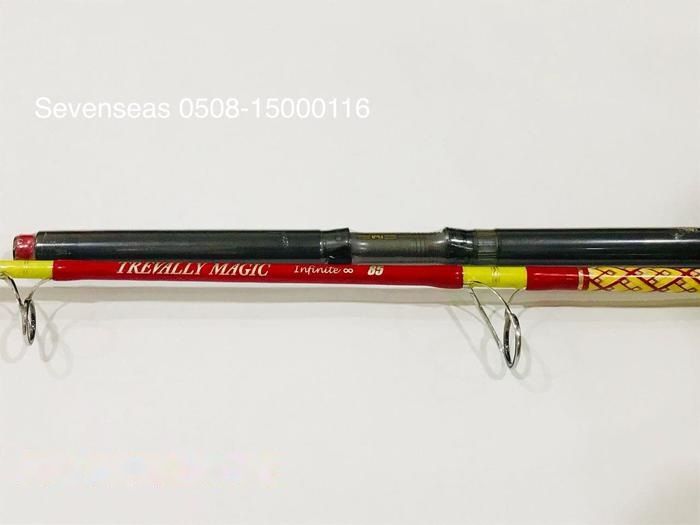
The most important number is printed on your rod: its rated lure weight. A popper that is too heavy overloads the blank and you’ll be tired in an hour. One that is too light won’t cast far enough to reach the edge of the reef.
As a rough guide for GT popping (always check your own rod’s rating):
| Braid | Typical popper weight |
|---|---|
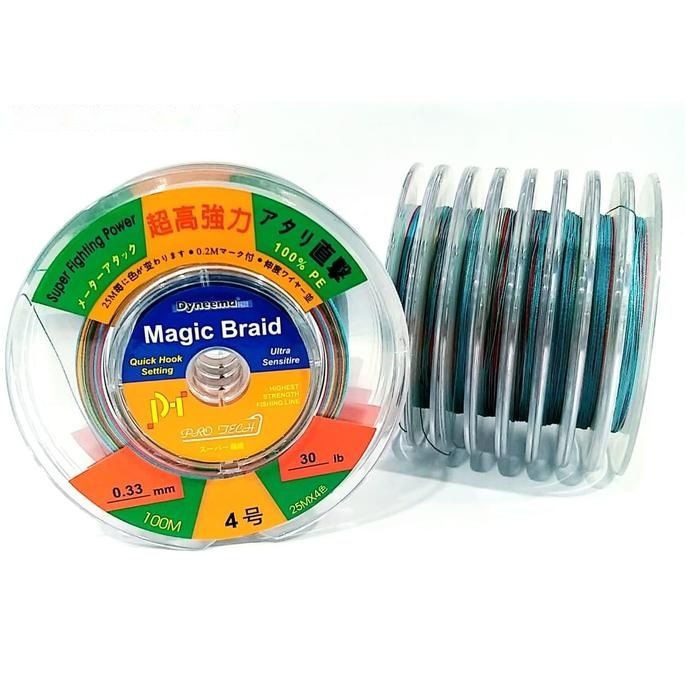
| PE 4–6 | about 60–120 g |
| PE 6–8 | about 100–160 g |
| PE 8–10 | about 150 g and up |
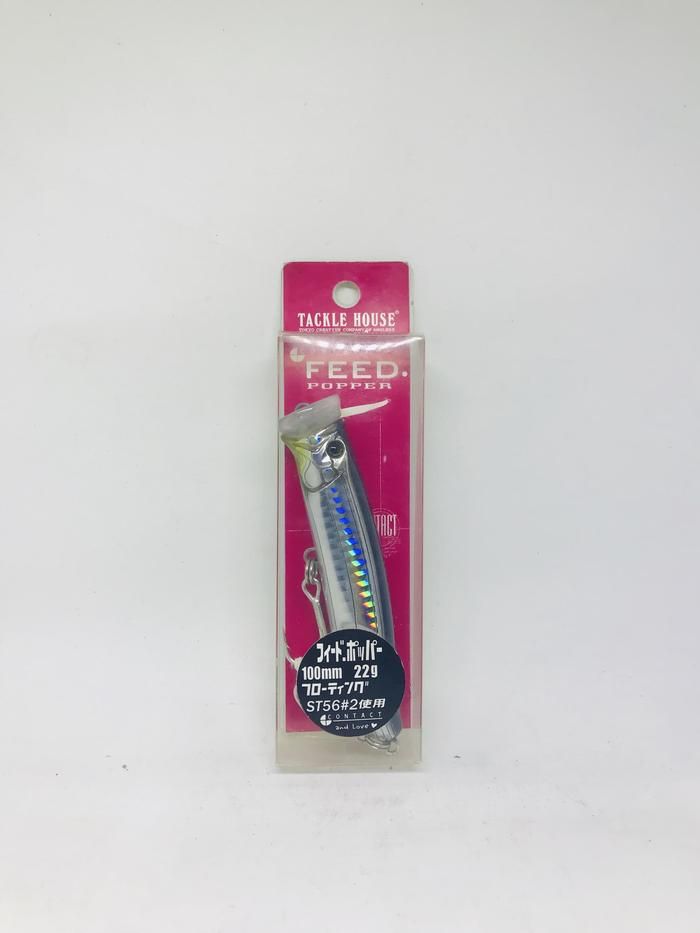
For lighter popping on smaller GT, queenfish, barramundi or Spanish mackerel in estuaries and around islands, small poppers like the 100 mm, 22 g Tackle House Feed Popper are the right tool on PE 1.5–3.
Deep cup or shallow cup?
- Deep cup: a big, loud “bloop” and a lot of resistance. Best in chop and wind, and to make fish come up from deeper water. More tiring to work.
- Shallow cup or slanted face: less splash, casts further and is easier to work for long sessions. Better in calmer water or when fish are spooky.
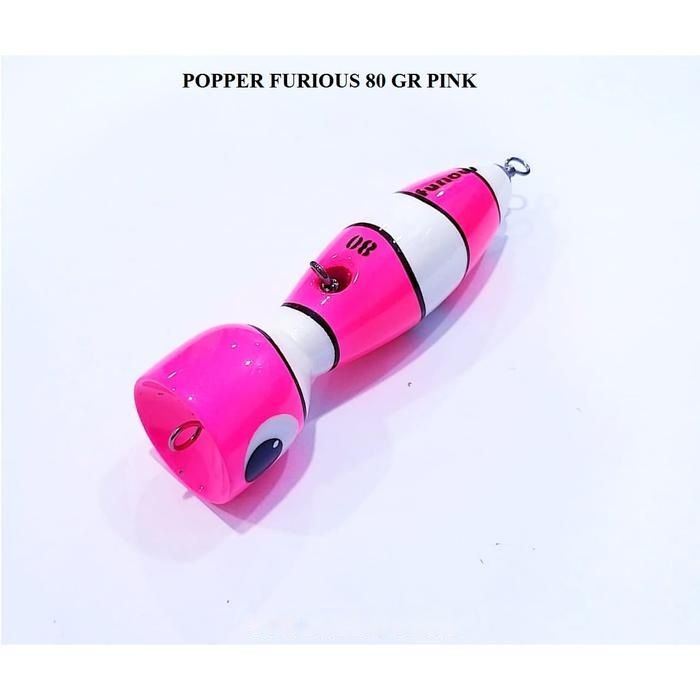
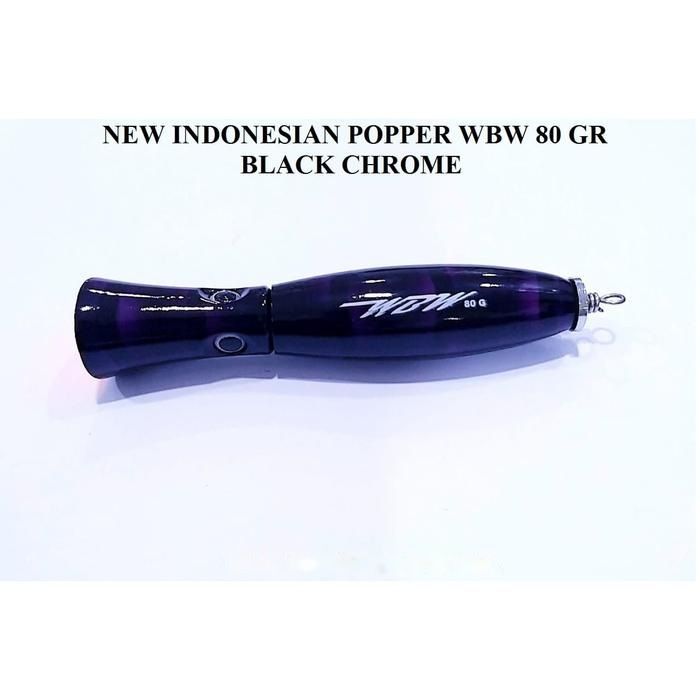
Wooden poppers float high and sit nose-up, which helps them pop cleanly. Ours, like the 80 g Indonesian Popper WBW and the Furious poppers, are carved from select wood.
Rig it to survive the hit
A GT will crush thin factory hooks and split rings. Before the trip:
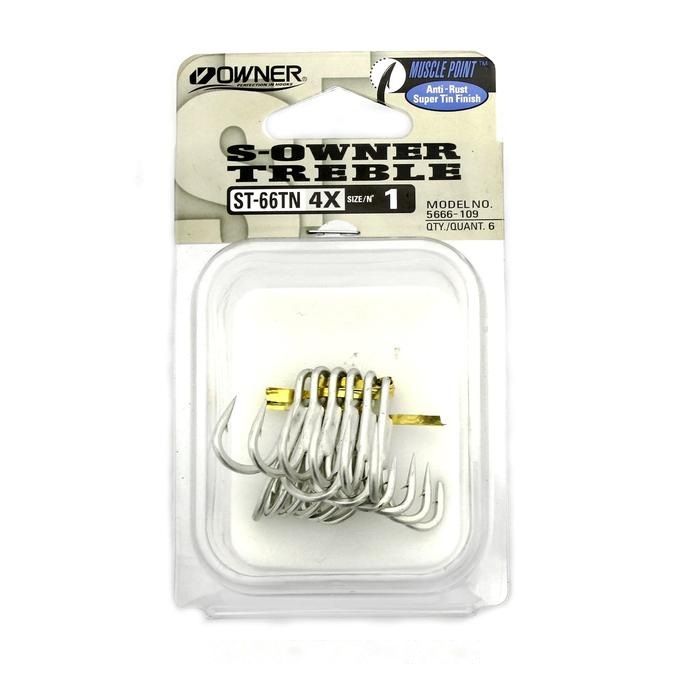
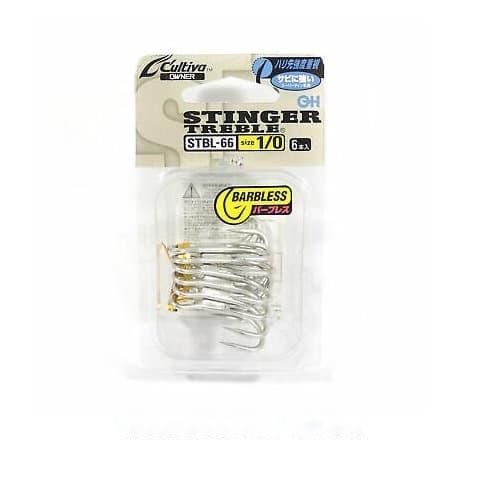
- Upgrade the trebles to a heavy-duty pattern such as the Owner ST-66TN (4X strong), or use barbless trebles like the Owner Stinger STBL-66, which are easier on the fish and much easier to remove from a hand.
- Match the split rings to the hooks. A strong hook on a weak ring just moves the failure point.
- Some anglers replace trebles with big single hooks (for example a Shout! Kudako as a tail hook). Singles hold well, tangle less and release fish faster.
Leader: nylon for popping
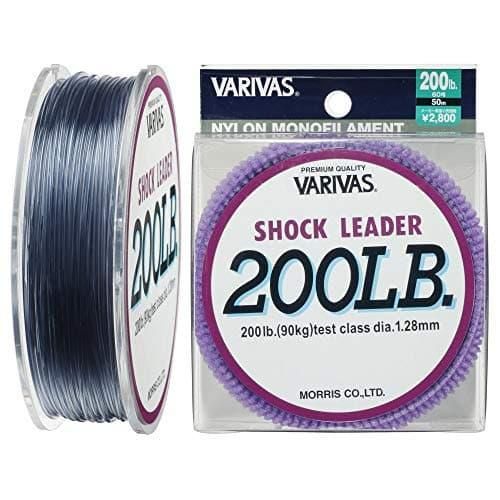
Use a nylon shock leader, roughly 100–200 lb depending on your braid, about 2–3 m long. Nylon is lighter in water than fluorocarbon, so it doesn’t drag the popper’s nose down, and its stretch absorbs the first violent run. Our guide to shock leaders covers knots and sizing in more detail.
How to work it
- Cast long, towards the reef edge or the white water.
- Sweep the rod down or sideways in one sharp stroke to make a single big splash.
- Pause for two or three seconds and let the bubbles settle. Many strikes come during the pause.
- Wind up the slack and repeat.
When a fish blows up on the popper, don’t strike at the splash. Keep working until you feel the weight, then lean back hard and keep the fish away from the reef.
Treat the fish well
GT grow slowly. If you’re not keeping the fish, use barbless or single hooks, keep it in the water as much as you can, support its belly for the photo, and revive it before letting go.
Want to hold a few poppers side by side before choosing? Come to the store at Gunung Sahari Centre and we’ll lay them out next to your rod.